


You’ve probably heard it before: “Accident prevention is everyone’s responsibility.” The message still holds up because it’s the truth.
Safety on a jobsite does not fall to just one person. It takes everyone — operators, signal persons, riggers, truck drivers, spotters, and supervisors, doing their part to work smart and speak up. No safety manager or foreman can be in every spot at once. A strong safety culture depends on shared awareness, personal accountability, and crew communication.
Yes, management is responsible for training, equipment, and policy. But even with the best plans in place, the individual performing the work is always the most important factor in preventing accidents. Every person on site has direct control over their behavior, decisions, and attention to the task.
Working safely is not just about checking boxes. It is about awareness. Situational awareness means knowing what hazards are present and anticipating what could go wrong. PPE, lift plans, job hazard analyses, and safety policies all help, but they do not mean much without active, engaged workers who are tuned in and willing to act when something seems off.
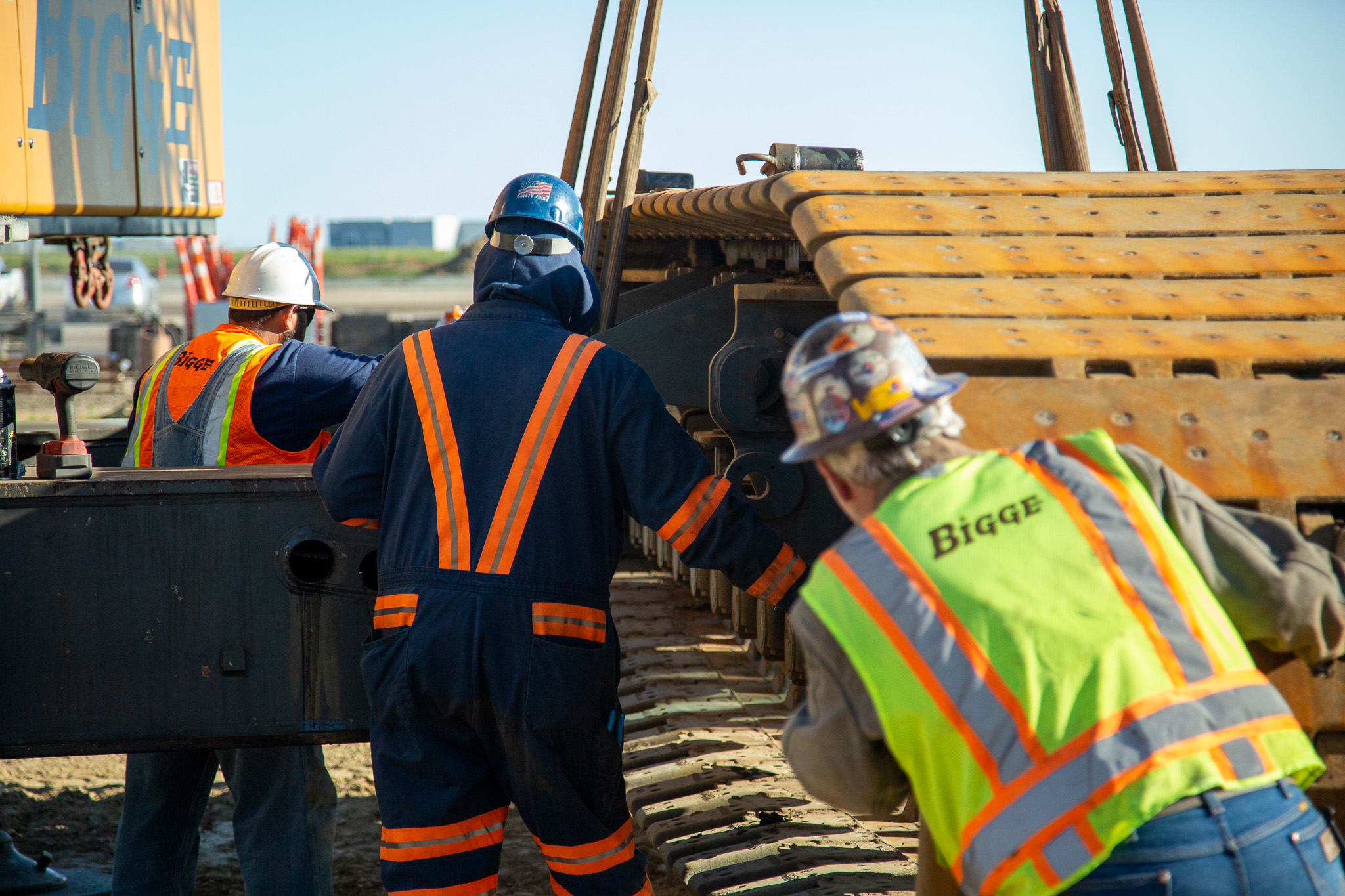
Here’s what personal responsibility for safety looks like:
- Ask questions about specific hazards or procedures until you understand the risks and how they are being controlled.
- Wear the correct PPE and inspect it before use, especially items like gloves, fall protection, and hard hats.
- Complete all assigned safety and equipment training and refresh it as needed.
- Follow site safety procedures and do not assume others will just know what is happening.
- Observe coworkers for unsafe behavior and speak up if you see something wrong. Be open to feedback when others do the same.
- Participate in safety meetings, audits, and toolbox talks with the intent to contribute, not just to meet a requirement.
Remember, safety does not end with the last lift of the day. Whether you are tying down a load on your own trailer or helping a friend move equipment, the same habits apply. Safe behavior is not just a job requirement, it is a life skill.
The Final Lift
When everyone takes ownership of safety, everyone benefits. Do not wait for someone else to step in. Be the reason your crew goes home safe. Speak up. Stay sharp. Lead by example.
Where do you see the biggest opportunity to improve safety ownership on your crew? Let's talk about it.




Lorem ipsum dolor sit amet, consectetur adipiscing elit. Suspendisse varius enim in eros elementum tristique. Duis cursus, mi quis viverra.
Lorem ipsum dolor sit amet, consectetur adipiscing elit. Suspendisse varius enim in eros elementum tristique. Duis cursus, mi quis viverra.