


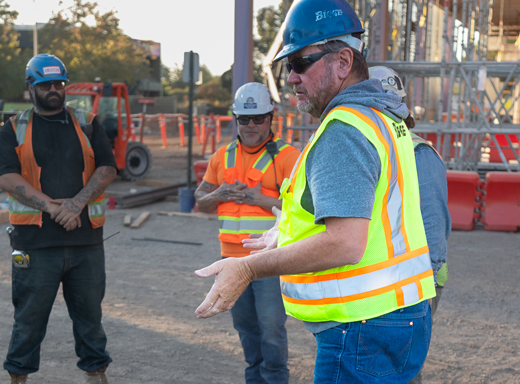
The competition for skilled operators, riggers, and supervisors is real. Good people have options. One of the biggest reasons they stay or leave comes down to leadership. And one of the clearest ways leadership shows up on a jobsite is through safety.
Recognition and coaching are not “extra” management tasks. They are essential tools for retention, morale, and performance. Yet many organizations struggle here. Managers often avoid giving feedback, especially around safety, because it feels uncomfortable or time intensive. The result is silence. And silence allows unsafe habits to grow.
If we want to keep our best people and raise the standard across the board, we must lead with intention.
Here are practical ways to be a stronger safety coach:
1. Provide Regular Feedback
Do not wait for annual reviews. Most employees say they do not receive enough performance-related feedback. Schedule consistent check-ins. Discuss safety performance, productivity, and teamwork. When feedback is routine, it becomes part of the culture.
2. Address Unsafe Behaviors Immediately
Failure to correct unsafe acts sends a message that standards are optional. OSHA makes clear that employers are responsible for enforcing safe work practices and correcting hazards before they result in injury. Ignoring poor performance places pressure on high performers and increases overall risk.
When someone falls short, be clear about expectations and consequences. Focus on standards, not personalities.
3. Differentiate Among Employees
Not all employees have the same experience, skill level, or awareness. A new rigger may need detailed coaching. A veteran operator may need performance-based refinement. Adjust your leadership style to the individual. That is how strong teams are built.
4. Recognize Safe Performers
Positive reinforcement works. Research consistently shows recognition increases desired behavior. When someone follows procedures, speaks up about a hazard, or exercises stop work authority, acknowledge it. Recognition reinforces standards across the entire crew.
5. Reinforce Personal Risk Awareness
ANSI and ASME standards emphasize that safety is a shared responsibility. One person working unsafely creates risk for everyone. Remind crews that individual decisions affect the entire jobsite.
6. Build Accountability
Clear expectations, consistent communication, and follow-through create credibility. When leaders model safe behavior, crews notice. Accountability must be consistent, fair, and predictable.
Retention is not about compensation alone. It is about respect, clarity, fairness, and trust. A culture where safety is coached, reinforced, and recognized attracts and keeps strong performers.
If we want to retain top talent, we start by earning trust. And trust is built through daily safety leadership.
The Final Lift
Safety coaching is not about catching people doing something wrong. It is about helping good professionals become even better. When leaders provide regular feedback, correct unsafe acts, recognize strong performance, and maintain consistent standards, the entire workforce improves.
Are you actively coaching your team toward safer performance, or are you assuming they already know what is expected?




Lorem ipsum dolor sit amet, consectetur adipiscing elit. Suspendisse varius enim in eros elementum tristique. Duis cursus, mi quis viverra.
Lorem ipsum dolor sit amet, consectetur adipiscing elit. Suspendisse varius enim in eros elementum tristique. Duis cursus, mi quis viverra.